Are Korean Laser Treatments Safe for Dark Skin?
Are Korean Laser Treatments Safe for Dark Skin? (Complete Guide for Foreign Patients)
Yes—Korean laser treatments can be
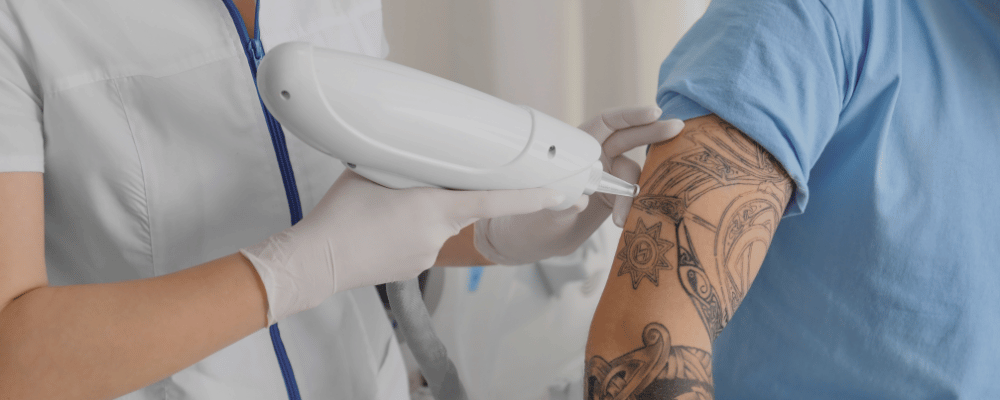
safe and effective for darker skin tones when performed correctly.
Dermatologists in Korea use
low-energy settings, the right laser types, and gradual treatment plans to minimize risks like hyperpigmentation—making treatments
safer for melanin-rich skin.
Why Skin Tone Matters in Laser Treatments
Laser treatments target melanin (pigment) in the skin.
👉 For darker skin tones:
- Higher melanin = higher risk of post-inflammatory hyperpigmentation (PIH)
- Incorrect settings can cause burns or discoloration
👉 This is why technique and device choice matter more than the laser itself.
Are Korean Clinics Experienced with Darker Skin?
Korean dermatology is traditionally focused on Asian skin, but:
- Many clinics treat international patients from diverse ethnic backgrounds
- Advanced clinics are experienced with Fitzpatrick skin types III–V
- Emphasis on gentle, gradual treatment protocols
👉 The key is choosing a board-certified dermatologist with experience treating darker skin.
Safest Laser Types for Dark Skin in Korea
1. Nd:YAG Laser (1064nm) – Safest Option
Why it’s safe:
- Penetrates deeper without targeting surface melanin
- Lower risk of burns or pigmentation
Used for:
- Laser toning
- Hair removal
- Skin rejuvenation
👉 Considered the gold standard for darker skin tones
2. Pico Laser – Advanced & Safer Technology
Why it’s safer:
- Ultra-short pulses → less heat damage
- Reduces risk of PIH
Best for:
- Pigmentation
- Acne scars
- Skin tone improvement
👉 Widely used in Korea for melanin-rich skin types
3. Laser Genesis (Gentle Nd:YAG)
Why it’s safe:
- Very low energy
- Minimal heat
Best for:
- Redness
- Texture
- Maintenance
👉 Ideal for sensitive or first-time patients
4. Vascular Lasers (For Redness, Not Pigment)
Safe because:
- Target blood vessels—not melanin
👉 Useful for:
- Rosacea
- Redness
- Capillaries
Lasers That Require Caution
Fractional Lasers (Fraxel, CO2)
- Higher risk of PIH if done incorrectly
- Require:
- Experienced dermatologist
- Conservative settings
- Proper aftercare
👉 Not unsafe—but must be carefully customized
Why Korean Approach Is Safer
Korean dermatology emphasizes:
- Low-energy, repeated sessions
- Gradual improvement instead of aggressive treatment
- Strong focus on skin barrier protection
👉 This approach reduces:
- Burns
- Hyperpigmentation
- Long-term complications
Typical Safe Treatment Strategy
- Start with gentle lasers (Nd:YAG or Pico)
- Monitor skin response
- Gradually increase intensity if needed
- Combine with medical skincare
👉 This minimizes risk while maximizing results.
Key Safety Factors (Most Important)
Your results depend more on:
- Doctor experience
- Correct laser selection
- Proper energy settings
- Aftercare (sun protection is critical)
👉 Even the safest laser can cause issues if used incorrectly.
Common Mistakes to Avoid
- Choosing clinics based on price only
- Doing aggressive lasers too early
- Skipping consultation
- Ignoring post-treatment care
👉 Darker skin requires precision—not aggressive treatment
Who Should Be Extra Careful?
- Fitzpatrick skin types IV–VI
- History of hyperpigmentation
- Sensitive or reactive skin
👉 These patients should prioritize experienced dermatologists and conservative treatment plans.
Final Verdict
👉 Yes—Korean laser treatments are safe for dark skin when done properly.
The safest approach includes:
- Nd:YAG or Pico lasers
- Gentle, gradual treatments
- Experienced dermatologists
👉 When done correctly, you can achieve:
Brighter, smoother, and clearer skin—without risking pigmentation issues