Pico Laser vs Q-Switched Laser: Which Is Better?
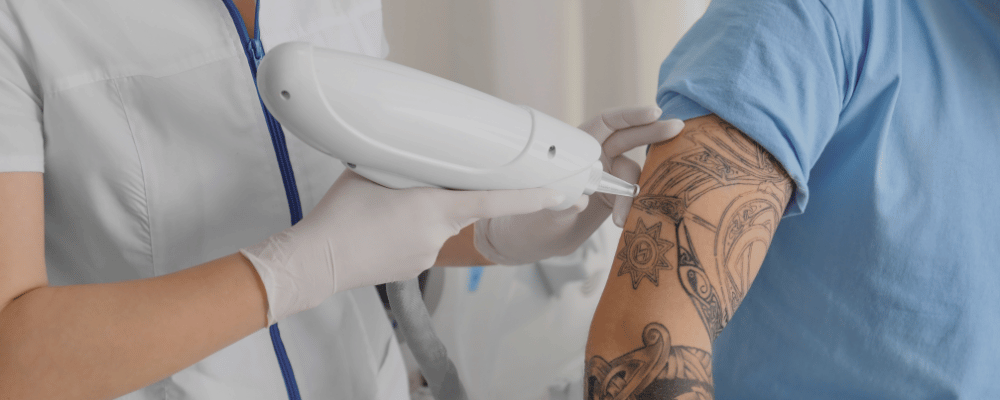
When it comes to laser tattoo removal, two of the most common options are pico laser and Q-switched laser. Both can be effective, but they work differently and may be better suited for different tattoo types.
For foreigners considering tattoo removal in Korea, understanding the difference can help you choose the safest and most effective treatment plan.
✨ What Is Pico Laser?
Pico laser uses ultra-short laser pulses to break tattoo pigment into very small particles.
Because it creates less heat damage compared to older laser systems, it is often preferred for:
• Colored tattoos
• Cosmetic tattoos
• Sensitive skin
• Detailed designs
• Faster fading goals
Main Benefits
• Faster pigment breakdown
• Lower heat damage
• Reduced downtime
• Lower scarring risk
• Better for stubborn colors
💡 What Is Q-Switched Laser?
Q-switched laser is a traditional tattoo removal laser that has been widely used for many years.
It is especially effective for:
• Black ink tattoos
• Older tattoos
• Small tattoos
• Simple line work
Main Benefits
• Effective for black pigment
• More affordable pricing
• Widely available
• Suitable for simple tattoo removal cases
🎨 Which Laser Is Better for Colored Tattoos?
Pico Laser
Usually better for:
- Green tattoos
- Blue tattoos
- Red tattoos
- Multi-colored tattoos
- Cosmetic tattoo pigment
Colored pigments can be harder to remove, so pico laser is often preferred for more complex cases.
⚫ Which Laser Is Better for Black Tattoos?
Q-Switched Laser
Can work very well for:
- Black tattoos
- Dark gray tattoos
- Older tattoos
- Small simple tattoos
For simple black tattoos, Q-switched laser may be enough and can be more cost-effective.
🩹 Which Laser Has Less Downtime?
Pico Laser
Usually has a shorter and gentler recovery profile because it creates less heat damage.
This may help reduce:
• Redness
• Skin irritation
• Hyperpigmentation risk
• Scarring risk
However, recovery still depends on skin type, tattoo size, and laser settings.
💰 Cost Comparison in Korea
Pico Laser
Cost range:
• Usually higher per session
Best for:
- Colored tattoos
- Cosmetic tattoos
- Sensitive skin
- Faster fading goals
Q-Switched Laser
Cost range:
• Usually more affordable per session
Best for:
- Black tattoos
- Small tattoos
- Simple designs
- Budget-conscious patients
Total cost depends on how many sessions are needed.
⏳ Session Comparison
Most tattoos require:
- 5–15 sessions
- 6–8 weeks between treatments
Pico Laser May Need Fewer Sessions For
• Colored tattoos
• Stubborn pigment
• Cosmetic tattoos
Q-Switched Laser May Be Enough For
• Small black tattoos
• Older tattoos
• Simple line tattoos
⚠️ Which One Is Safer?
Both lasers can be safe when used properly.
Safety depends more on:
• Proper laser settings
• Skin type evaluation
• Tattoo color analysis
• Aftercare guidance
• Specialist experience
For sensitive skin or pigmentation concerns, pico laser is often preferred.
🌎 Why Foreigners Choose Korea for Laser Tattoo Removal
Many Seoul clinics are experienced with:
• Advanced laser dermatology
• Pico laser tattoo removal
• Q-switched laser treatment
• Cosmetic tattoo removal
• Sensitive skin management
Foreign-friendly services often include:
• English consultation
• Online booking systems
• International payment support
• Detailed aftercare guidance
Popular areas include:
- Gangnam
- Hongdae
- Apgujeong
- Myeongdong
✅ Final Thoughts
So, pico laser vs Q-switched laser — which is better?
Choose Pico Laser If You Have:
• Colored tattoos
• Cosmetic tattoos
• Sensitive skin
• Stubborn pigment
• Faster fading goals
Choose Q-Switched Laser If You Have:
• Black tattoos
• Small tattoos
• Older tattoos
• Simple designs
• Lower budget
Many foreigners choose Korea because clinics offer both options and can customize treatment based on tattoo type, skin condition, and removal goals.
📍 Location
Seoul, South Korea
💬 Booking & Price Inquiry
Consultation is recommended to compare laser options, tattoo color, skin type, and estimated session count.
🌏 Language Support
Many Seoul aesthetic clinics provide English-friendly support for international patients and travelers.