How Long Between Tattoo Removal Sessions?
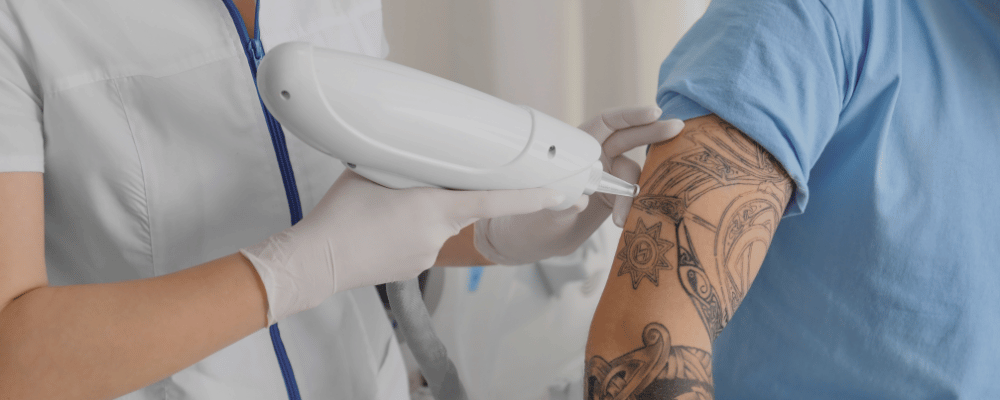
One of the most important parts of safe laser tattoo removal is allowing enough healing time between sessions. Many people want faster results, but treating the skin too aggressively may increase the risk of scarring, irritation, and pigmentation problems.
Here’s what foreigners should know about the recommended time between tattoo removal sessions in Korea.
✨ Standard Waiting Time Between Sessions
Most clinics recommend waiting:
- 6–8 weeks between laser sessions
This healing period allows:
• Skin recovery
• Reduced inflammation
• Natural pigment clearance
• Lower complication risk
The body continues removing broken ink particles for weeks after each treatment.
💡 Why You Should Not Rush Sessions
Tattoo fading is gradual because:
• The laser breaks pigment into tiny particles
• The immune system slowly removes the ink
• The skin needs time to heal properly
Treating the area too soon may increase:
- Scarring
- Hyperpigmentation
- Skin irritation
- Delayed healing
More frequent sessions do not always mean faster or better results.
⏳ Factors That Affect Session Timing
The ideal interval depends on:
- Tattoo size
- Ink color
- Skin sensitivity
- Laser intensity
- Healing speed
- Tattoo location
Longer Recovery May Be Needed For
- Colored tattoos
- Large tattoos
- Sensitive skin
- Strong laser reactions
- Areas with slower healing
💡 Pico Laser vs Traditional Laser Recovery
1. Pico Laser Tattoo Removal
Pico laser is popular in Korea because it may reduce:
• Heat damage
• Skin trauma
• Recovery discomfort
• Downtime
Best For
- Colored tattoos
- Sensitive skin
- Cosmetic tattoos
- Patients concerned about healing
Many foreigners choose pico laser because recovery between sessions may feel easier.
2. Q-Switched Laser Removal
Q-switched lasers are also commonly used.
Best For
- Black tattoos
- Older tattoos
- Small tattoos
Session timing still depends on skin recovery regardless of the laser used.
⚠️ Signs You May Need More Healing Time
It may be safer to delay the next session if you still have:
• Redness
• Swelling
• Scabbing
• Blistering
• Skin sensitivity
• Hyperpigmentation
Healthy skin recovery is usually more important than rushing treatment.
🩹 What Happens Between Sessions?
Between appointments:
• The immune system clears pigment gradually
• The tattoo slowly fades
• Skin continues healing internally
Some tattoos may continue fading even several weeks after treatment.
This is why patience is very important during the tattoo removal process.
☀️ Proper Aftercare Between Sessions
Good aftercare helps reduce complications and support safer healing.
Important Tips
• Avoid direct sunlight
• Do not scratch scabs or blisters
• Keep the area clean
• Avoid harsh skincare products
• Follow clinic instructions carefully
Healthy healing may improve long-term fading results.
🌎 Why Foreigners Choose Korea for Tattoo Removal
Many Seoul clinics are experienced with:
• Advanced laser dermatology
• Sensitive skin treatment
• Pigmentation management
• Cosmetic tattoo removal
• Detailed aftercare systems
Foreign-friendly services often include:
• English consultation
• Online booking systems
• International payment support
• Detailed recovery guidance
Popular areas include:
- Gangnam
- Hongdae
- Apgujeong
- Myeongdong
✅ Final Thoughts
Most tattoo removal sessions are spaced:
- About 6–8 weeks apart
This recovery period helps:
• Protect the skin
• Reduce complications
• Support better pigment clearance
• Improve long-term fading results
Many foreigners choose Korea because of:
• Advanced pico laser technology
• Experienced specialists
• Modern aftercare systems
• Safer treatment planning
• Foreigner-friendly clinics
Allowing enough healing time between sessions is one of the safest ways to achieve smoother tattoo removal results over time.
📍 Location
Seoul, South Korea
💬 Booking & Price Inquiry
Consultation is recommended to determine the safest session interval based on tattoo type, skin condition, and healing response.
🌏 Language Support
Many Seoul aesthetic clinics provide English-friendly support for international patients and travelers.