Safety Standards in Korean Dermatology Clinics
Korea is known for advanced dermatology and aesthetic treatments, and many foreigners visit Seoul for procedures such as laser tattoo removal, skin lasers, and cosmetic tattoo correction. One reason Korea is popular is the strong focus on safety, hygiene, consultation, and aftercare in many dermatology clinics.
Here’s what foreigners should know about safety standards in Korean dermatology clinics.
✨ Why Safety Standards Matter
Dermatology treatments often involve lasers, needles, heat, or skin recovery.
Good safety standards help reduce:
• Infection
• Burns
• Scarring
• Hyperpigmentation
• Skin irritation
• Delayed healing
This is especially important for:
- Laser tattoo removal
- Cosmetic tattoo removal
- Sensitive skin treatments
- Pigmentation procedures
💡 Professional Consultation Before Treatment
Many Korean dermatology clinics begin with a skin consultation before treatment.
Clinics may check:
• Skin type
• Skin sensitivity
• Pigmentation risk
• Treatment history
• Current skin condition
• Possible side effects
This helps create a safer and more personalized treatment plan.
🔍 Medical-Grade Equipment & Laser Settings
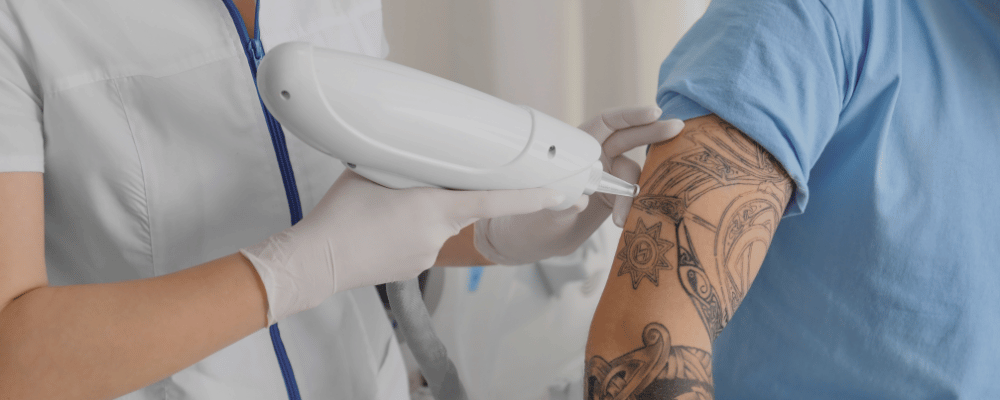
Korean dermatology clinics often use advanced laser systems for tattoo removal and skin treatments.
For safer treatment, clinics usually consider:
• Laser wavelength
• Energy level
• Skin tone
• Tattoo color
• Treatment area
• Healing response
Proper laser settings are important for reducing burns, pigmentation issues, and scarring.
🧼 Hygiene & Infection Prevention
Clean treatment environments are essential for safe dermatology care.
Common hygiene practices may include:
• Sterilized treatment tools
• Clean treatment rooms
• Gloves and protective equipment
• Skin disinfection before treatment
• Proper dressing after procedures
Good hygiene helps lower the risk of infection after laser or skin treatments.
🩹 Aftercare Guidance
Aftercare is a major part of treatment safety.
Many clinics provide instructions about:
• Cleaning the treated area
• Avoiding sun exposure
• Managing redness or swelling
• Avoiding swimming and saunas
• When to return for follow-up
Clear aftercare guidance helps reduce:
- Scarring
- Hyperpigmentation
- Infection
- Delayed recovery
⚠️ Side Effect Explanation
Professional clinics usually explain possible side effects before treatment.
Common temporary reactions may include:
• Redness
• Swelling
• Dryness
• Mild blistering
• Temporary pigmentation changes
Patients should understand what is normal and when to contact the clinic for help.
🌎 Foreigner-Friendly Safety Support
Many Seoul clinics are used to treating international patients and may offer:
• English consultation
• Online booking systems
• International payment support
• Clear aftercare instructions
• Tourist-friendly scheduling
Popular areas include:
- Gangnam
- Hongdae
- Apgujeong
- Myeongdong
Clear communication is especially important for foreigners receiving treatment during a short trip.
✅ Final Thoughts
Safety standards in Korean dermatology clinics are one of the reasons many foreigners choose Korea for laser and aesthetic treatments.
Important safety points include:
• Professional consultation
• Medical-grade equipment
• Proper hygiene
• Careful laser settings
• Detailed aftercare guidance
Many foreigners choose Korea because of:
• Advanced dermatology technology
• Experienced specialists
• Modern treatment systems
• Skin-focused safety planning
• Foreigner-friendly clinic support
Choosing a clinic with clear communication, proper hygiene, and strong aftercare guidance can help make dermatology treatments in Korea safer and more comfortable.
📍 Location
Seoul, South Korea
💬 Booking & Price Inquiry
Consultation is recommended to check treatment safety, skin condition, and aftercare instructions before booking.
🌏 Language Support
Many Seoul aesthetic clinics provide English-friendly support for international patients and travelers.