Can You Exercise After Tattoo Removal?
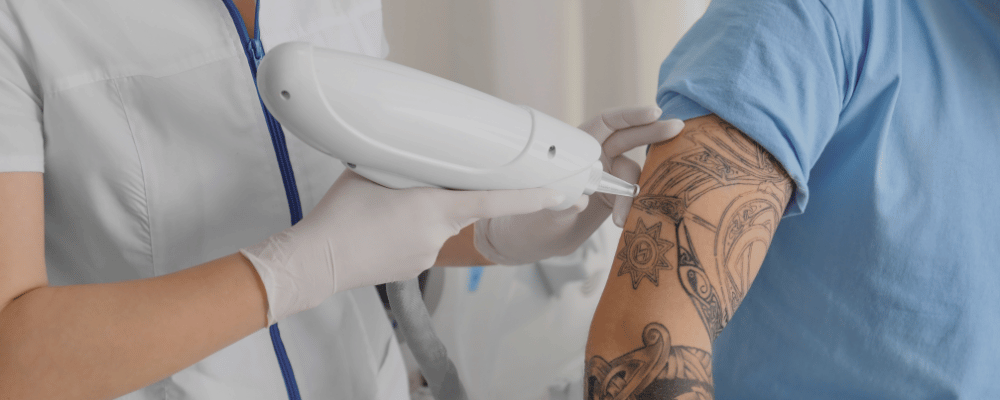
Many people wonder whether it is safe to work out after laser tattoo removal. While light movement is usually fine, intense exercise immediately after treatment may irritate the skin and slow healing.
For foreigners visiting Korea for tattoo removal, understanding exercise restrictions can help reduce complications and improve recovery.
✨ Why Exercise Can Affect Healing
After laser tattoo removal, the skin becomes temporarily sensitive and inflamed.
Heavy exercise may increase:
• Sweating
• Friction
• Skin irritation
• Swelling
• Delayed healing
This is especially important during the first few days after treatment.
⚠️ Exercise to Avoid Right After Treatment
Most clinics recommend temporarily avoiding:
• Intense gym workouts
• Heavy weight training
• Running
• Hot yoga
• Swimming
• Saunas
• High-sweat activities
Excessive heat and sweating may increase:
- Irritation
- Infection risk
- Skin sensitivity
💡 How Long Should You Wait?
The recommended rest period depends on:
- Tattoo size
- Treatment intensity
- Skin sensitivity
- Healing condition
General Guideline
• Light activity: often possible after 1–2 days
• Intense workouts: usually better after several days to 1 week
Larger tattoos or stronger laser settings may require more recovery time.
🩹 Why Friction Is a Problem
Exercise clothing and repetitive movement may irritate healing skin.
This is especially important for tattoos located on:
- Arms
- Legs
- Back
- Waist
- Shoulders
Avoid
• Tight workout clothing
• Heavy rubbing
• Excessive stretching of the treated area
Loose and breathable clothing is usually recommended.
💧 Sweating & Infection Risk
Heavy sweating may irritate healing skin and increase discomfort.
During Early Healing
Avoid:
• Excessive sweating
• Public gyms with poor hygiene
• Shared exercise equipment touching the treated area
Keeping the area clean helps reduce infection risk.
💡 Best Laser Options for Faster Recovery
1. Pico Laser Tattoo Removal
Pico laser is commonly used in Korea because it may reduce:
• Heat damage
• Downtime
• Skin trauma
• Recovery discomfort
Best For
- Sensitive skin
- Colored tattoos
- Cosmetic tattoos
- Patients concerned about healing
Many foreigners choose pico laser because recovery may feel easier compared to older laser systems.
2. Q-Switched Laser Removal
Q-switched lasers are also widely used.
Best For
- Black tattoos
- Older tattoos
- Small tattoos
Recovery depends on skin type and treatment intensity regardless of the laser used.
☀️ Outdoor Exercise & Sun Exposure
Outdoor workouts after tattoo removal may increase:
- Hyperpigmentation
- Skin irritation
- Uneven healing
Important Tips
• Avoid strong sunlight
• Wear protective clothing
• Use sunscreen carefully after healing begins
Sun protection is especially important during the first several weeks.
🌎 Why Foreigners Choose Korea for Tattoo Removal
Many Seoul clinics are experienced with:
• Advanced laser dermatology
• Sensitive skin treatment
• Pigmentation management
• Cosmetic tattoo removal
• Detailed aftercare systems
Foreign-friendly services often include:
• English consultation
• Online booking systems
• International payment support
• Detailed recovery guidance
Popular areas include:
- Gangnam
- Hongdae
- Apgujeong
- Myeongdong
✅ Final Thoughts
Exercise after tattoo removal is possible, but intense workouts should usually be avoided during the early healing stage.
To help support smoother recovery:
• Avoid heavy sweating initially
• Reduce friction on the treated area
• Keep the skin clean
• Avoid swimming and saunas temporarily
• Follow aftercare instructions carefully
Many foreigners choose Korea because of:
• Advanced pico laser technology
• Experienced specialists
• Modern aftercare systems
• Safer treatment planning
• Foreigner-friendly clinics
Giving the skin enough time to heal properly can help improve long-term tattoo removal results.
📍 Location
Seoul, South Korea
💬 Booking & Price Inquiry
Consultation is recommended to receive personalized exercise and recovery guidance based on tattoo size and skin condition.
🌏 Language Support
Many Seoul aesthetic clinics provide English-friendly support for international patients and travelers.