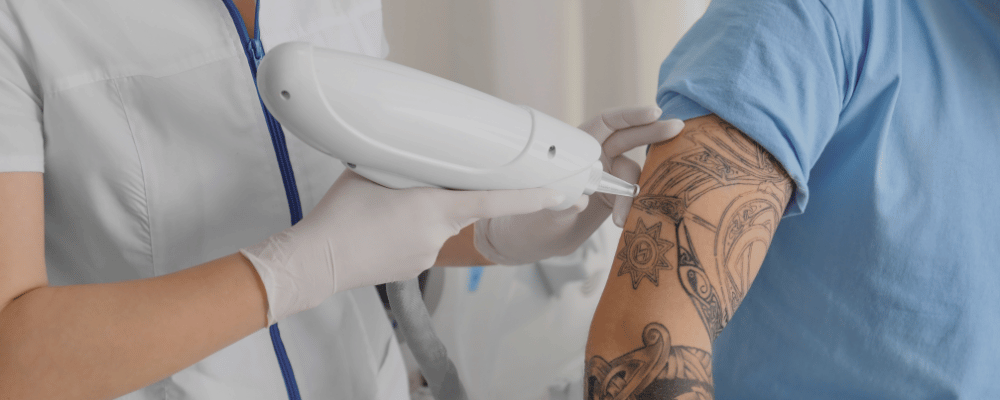

How Long Does Tattoo Removal Take?
One of the most common questions before starting laser tattoo removal is:
“How long will the entire process take?”
Tattoo removal is gradual because the body needs time to clear broken ink particles after each laser session. While some tattoos fade relatively quickly, others may require a longer treatment plan depending on the tattoo type and skin condition.
Here’s what foreigners should know about how long tattoo removal takes in Korea.
✨ Average Tattoo Removal Timeline
Most tattoos require:
- 5–15 sessions
- 6–8 weeks between treatments
This means the full process may take:
- Several months
- Sometimes over 1–2 years for difficult tattoos
Tattoo removal is usually a long-term process rather than a quick procedure.
💡 What Affects the Timeline?
1. Tattoo Color
Faster Fading Colors
- Black
- Dark gray
Slower Fading Colors
- Green
- Blue
- Yellow
- Red
Colored tattoos usually require:
• More sessions
• Multiple laser wavelengths
• Longer treatment timelines
2. Tattoo Size
Small Tattoos
May fade within:
- 3–8 sessions
Large Tattoos
May require:
- 10–15+ sessions
Larger tattoos contain more pigment and need longer healing periods.
3. Tattoo Age
Older tattoos are often easier to remove because the pigment has naturally faded over time.
Newer tattoos may:
- Contain denser pigment
- Sit deeper in the skin
- Require more sessions
4. Professional vs Amateur Tattoos
Amateur Tattoos
Usually fade faster because:
- Less ink is used
- Pigment is often shallower
Professional Tattoos
Usually take longer because:
- Ink is deeper
- Colors are more saturated
- Shading is more complex
💡 Best Lasers for Faster Fading
1. Pico Laser Tattoo Removal
Pico laser is one of the most advanced tattoo removal technologies used in Seoul.
Benefits
• Faster pigment breakdown
• Better for colored tattoos
• Lower heat damage
• Reduced downtime
Best For
- Colored tattoos
- Cosmetic tattoos
- Sensitive skin
- Detailed tattoos
Many foreigners choose pico laser because it may reduce the total treatment timeline.
2. Q-Switched Laser Removal
Q-switched lasers are also commonly used.
Best For
- Black tattoos
- Older tattoos
- Small tattoos
The best laser depends on the tattoo condition and skin type.
⏳ Why Healing Time Between Sessions Matters
Most clinics recommend waiting:
- 6–8 weeks between treatments
This healing period helps:
• Reduce skin irritation
• Lower scarring risk
• Allow the body to clear pigment naturally
Trying to remove tattoos too aggressively may increase:
- Scarring
- Hyperpigmentation
- Delayed healing
🩹 Can Tattoos Continue Fading Between Sessions?
Yes.
Even after treatment, the body continues clearing pigment for weeks.
This is why:
- Gradual fading is normal
- Immediate results are uncommon
- Patience is important
Many tattoos continue improving throughout the treatment process.
🌎 Why Foreigners Choose Seoul for Tattoo Removal
Many Seoul clinics are experienced with:
• Advanced laser dermatology
• Cosmetic tattoo removal
• Sensitive skin treatment
• Pigmentation management
• Foreigner-friendly services
Many clinics provide:
• English consultation
• Online booking systems
• International payment support
• Detailed aftercare guidance
Popular areas include:
- Gangnam
- Apgujeong
- Hongdae
- Myeongdong
✅ Final Thoughts
Tattoo removal takes time because the body gradually removes broken ink particles after each laser session.
The full timeline depends on:
• Tattoo size
• Ink color
• Tattoo age
• Skin type
• Laser technology
Many foreigners choose Korea because of:
• Advanced pico laser systems
• Experienced specialists
• Competitive pricing
• Safer treatment planning
• Foreigner-friendly clinics
A consultation is the best way to estimate your expected treatment timeline and number of sessions.
📍 Location
Seoul, South Korea
💬 Booking & Price Inquiry
Consultation is recommended to estimate the total treatment timeline based on tattoo size, color, and skin condition.
🌏 Language Support
Many Seoul aesthetic clinics provide English-friendly support for international patients.