How to Fix Uneven Skin Tone in Korea
How to Fix Uneven Skin Tone in Korea
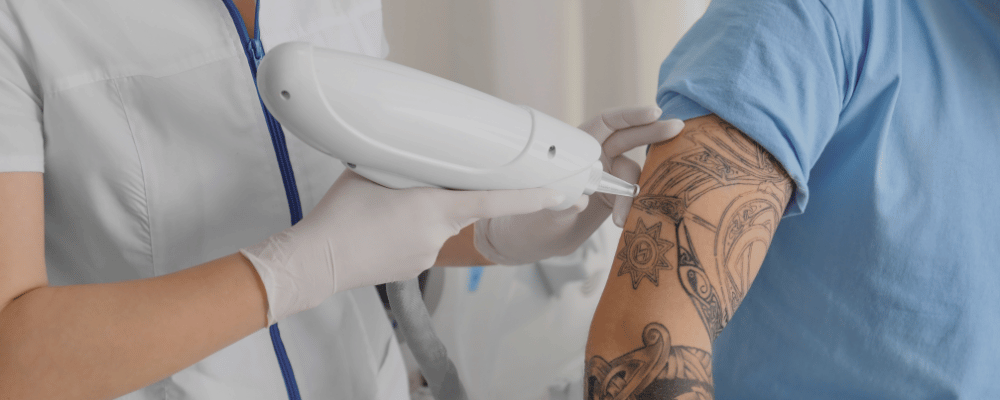
Fixing uneven skin tone in Korea involves
laser toning, Pico laser, chemical peels, and medical skincare, combined in a gentle, layered approach.
Korean dermatologists focus on
reducing pigmentation, improving texture, and restoring skin balance—resulting in
brighter, more even-toned skin over time.
What Causes Uneven Skin Tone?
Before treatment, dermatologists identify the cause:
- Sun damage and UV exposure
- Melasma or pigmentation
- Acne marks (PIH)
- Redness or inflammation
- Dull skin and slow turnover
👉 Different causes require different treatment strategies, which is why diagnosis is essential.
1. Laser Toning (Foundation Treatment in Korea)
Best for:
- Overall brightening
- Mild pigmentation
- Uneven tone
How It Works
- Uses low-energy laser to break down melanin gradually
- Improves skin clarity over multiple sessions
Why It’s Popular
- Minimal downtime
- Safe for sensitive skin
- Suitable for regular maintenance
👉 Often the first step in Korean skin tone correction.
2. Pico Laser (For Deeper or Stubborn Pigmentation)
Best for:
- Melasma
- Dark spots
- Resistant pigmentation
How It Works
- Ultra-short pulses break pigment into smaller particles
- Less heat damage compared to traditional lasers
Benefits
- Faster results
- More effective for deeper pigment
3. Chemical Peels (Skin Renewal & Brightening)
Best for:
- Dull skin
- Surface pigmentation
- Uneven texture
How It Works
- Removes dead skin cells
- Promotes new skin turnover
Benefits
- Brighter, smoother skin
- Enhances laser results
4. IPL (For Redness & Tone Correction)
Best for:
- Redness
- Sun spots
- Uneven complexion
How It Works
- Targets both pigment and blood vessels
- Improves overall skin tone balance
👉 Ideal when uneven tone includes both brown and red discoloration.
5. Skin Boosters (Rejuran / Juvelook / PN/PDRN)
Best for:
- Dull, tired skin
- Uneven texture
- Skin barrier damage
How It Works
- Improves skin quality from within
- Boosts hydration and collagen
Benefits
- Healthier glow
- Smoother, more even skin
6. Medical Skincare & Prescription Treatments
Common Options
- Vitamin C
- Hydroquinone
- Tretinoin
- Tranexamic acid
Purpose
- Reduce melanin production
- Maintain results
- Prevent recurrence
👉 Essential for long-term tone correction.
7. Gentle Brightening IV & Support Treatments
Options
- Glutathione IV
- Vitamin C therapy
Benefits
- Improves overall skin clarity
- Supports skin recovery
👉 Often used as supportive treatments, not primary solutions.
8. Combination Therapy (Korean Gold Standard)
Korean dermatologists rarely rely on one treatment.
Typical Combinations
- Laser toning + Pico laser
- Chemical peel + laser
- Skin boosters + laser
- Medical skincare + procedures
Why It Works
- Targets multiple causes
- Enhances results
- Improves skin health
Typical Treatment Plan in Korea
- Week 1: Consultation and diagnosis
- Weeks 2–6: Laser toning sessions
- Month 2+: Pico laser or additional treatments
- Ongoing: Skincare and maintenance
👉 Most patients need multiple sessions for visible improvement.
Cost of Uneven Skin Tone Treatments in Korea
Typical price ranges:
- Laser toning: ₩100,000 – ₩300,000
- Pico laser: ₩250,000 – ₩600,000
- Chemical peel: ₩80,000 – ₩150,000
- Combination treatments: ₩200,000 – ₩450,000
Key Tip: Gradual Treatment Is the Secret
Korean dermatology avoids aggressive, one-time treatments.
👉 Instead, it focuses on:
- Low-energy sessions
- Consistent improvement
- Skin barrier protection
This helps:
- Prevent irritation
- Avoid rebound pigmentation
- Achieve long-lasting results
Common Mistakes to Avoid
- Expecting instant results
- Over-treating with strong lasers
- Skipping medical skincare
- Choosing clinics based only on price
👉 Uneven skin tone requires consistent, strategic treatment.
Final Thoughts
Fixing uneven skin tone in Korea is about combining:
- Laser = pigment correction
- Peels = skin renewal
- Skin boosters = skin quality
👉 When done correctly, this leads to:
Brighter, smoother, and more even-toned skin with lasting results