Infection Risk After Tattoo Removal: Prevention Tips
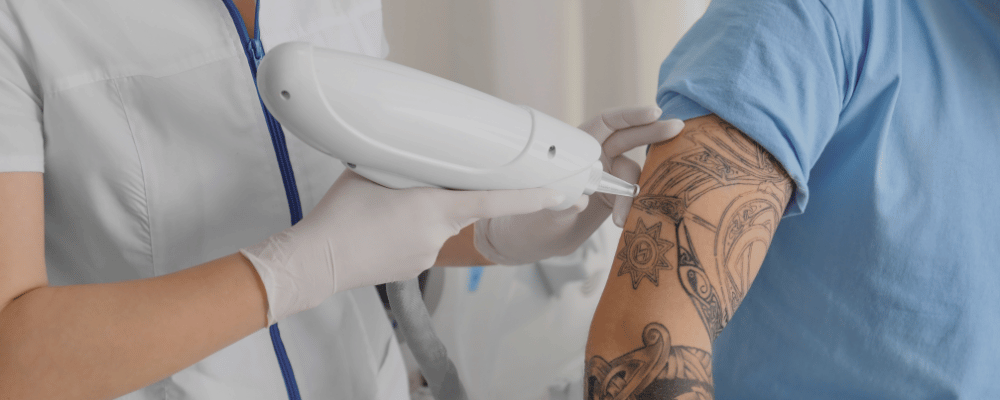
Laser tattoo removal is generally safe when performed properly, but like any skin procedure, there is still a small risk of infection during the healing process. Foreigners visiting Seoul for tattoo removal should understand how infections happen and how proper aftercare can help prevent complications.
Here’s what you should know about infection risk after tattoo removal.
✨ Why Infection Can Happen
Laser tattoo removal temporarily weakens the skin barrier while the treated area heals.
This can make the skin more vulnerable to bacteria if:
• Blisters are scratched or popped
• The area is not kept clean
• Dirty hands touch the treated skin
• Aftercare instructions are ignored
Infections are uncommon when proper hygiene and aftercare are followed carefully.
🔍 Signs of Possible Infection
Mild redness and swelling are normal after treatment, but infection symptoms may include:
• Increasing pain
• Pus or yellow drainage
• Severe swelling
• Strong heat around the area
• Fever
• Spreading redness
If these symptoms appear, it is important to contact the clinic or seek medical care quickly.
💡 Best Lasers for Safer Healing
1. Pico Laser Tattoo Removal
Pico laser is commonly used in Seoul because it may reduce:
• Heat damage
• Skin trauma
• Downtime
• Scarring risk
Best For
- Sensitive skin
- Colored tattoos
- Cosmetic tattoos
- Patients concerned about healing
2. Q-Switched Laser Removal
Q-switched lasers are also widely used for black tattoos.
Best For
- Small tattoos
- Older tattoos
- Simple black ink tattoos
Proper laser settings and aftercare are important regardless of the laser type.
🩹 Best Ways to Prevent Infection
Important Prevention Tips
• Keep the area clean and dry
• Wash hands before touching the skin
• Avoid scratching or peeling scabs
• Do not pop blisters
• Follow clinic aftercare instructions carefully
Clean healing conditions are one of the most important parts of safe tattoo removal.
⚠️ Avoid Swimming & Saunas
After treatment, the skin is more sensitive to bacteria and irritation.
Temporarily Avoid
- Swimming pools
- Hot tubs
- Public baths
- Saunas
- Intense sweating
These environments may increase infection risk during healing.
☀️ Sun Protection Is Important
Sun exposure may worsen:
- Skin irritation
- Hyperpigmentation
- Delayed healing
Important Tip
• Avoid direct sunlight
• Use sunscreen carefully after healing begins
⏳ How Long Does Healing Take?
Most mild reactions improve within:
- Several days to 2 weeks
Healing time depends on:
- Tattoo size
- Laser intensity
- Skin sensitivity
- Aftercare quality
Most tattoos still require:
- 5–15 sessions
- 6–8 weeks between treatments
Allowing proper healing between sessions helps reduce complications.
🌎 Why Many Foreigners Choose Seoul
Many Seoul clinics are experienced with:
• Advanced laser dermatology
• Sensitive skin treatment
• Infection prevention care
• Cosmetic tattoo removal
• Detailed aftercare planning
Foreign-friendly services often include:
• English consultation
• Online booking systems
• International payment support
• Clear aftercare instructions
Popular areas include:
- Gangnam
- Apgujeong
- Hongdae
- Myeongdong
✅ Final Thoughts
Infection after tattoo removal is uncommon, but proper aftercare is extremely important for safe healing.
Foreigners often choose Korea because of:
• Advanced laser technology
• Experienced specialists
• Modern hygiene systems
• Safer treatment planning
• Foreigner-friendly clinics
Keeping the treated area clean, avoiding irritation, and following aftercare instructions carefully can help reduce infection risk and support smoother healing results.
📍 Location
Seoul, South Korea
💬 Booking & Price Inquiry
Consultation is recommended to evaluate skin sensitivity, tattoo condition, and healing concerns before treatment.
🌏 Language Support
Many Seoul aesthetic clinics provide English-friendly support for international patients.