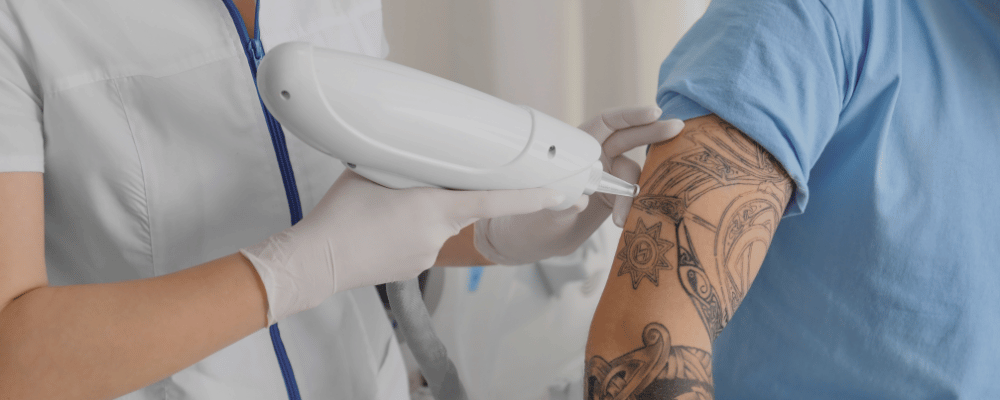
Old vs New Tattoo Removal: Which Is Easier?
One of the most common questions foreigners ask before starting laser tattoo removal is:
“Are old tattoos easier to remove than new tattoos?”
In many cases, the answer is yes. Older tattoos often fade faster because the pigment has naturally weakened over time.
However, several factors can still affect how easily a tattoo responds to laser treatment.
Here’s what foreigners should know about old vs new tattoo removal in Korea.
✨ Why Older Tattoos Are Usually Easier to Remove
Over the years, tattoo pigment naturally breaks down and fades slightly inside the skin.
Because of this, older tattoos often have:
• Less dense pigment
• More faded ink
• Weaker color saturation
• Shallower remaining pigment
This can make laser treatment more effective and sometimes reduce the number of sessions needed.
🔍 Why New Tattoos Can Be More Difficult
New tattoos often contain:
- Fresh dense ink
- Strong color saturation
- Deeper pigment placement
Professional modern tattoos may also use:
- Layered shading
- Multiple colors
- High-quality pigments
These factors can make removal slower and more complex.
Most clinics recommend waiting until the tattoo is fully healed before starting laser treatment.
💡 Best Laser Types for Tattoo Removal
1. Pico Laser Tattoo Removal
Pico laser is widely used in Seoul because it breaks pigment into tiny particles with less heat damage.
Benefits
• Faster fading
• Better for stubborn pigment
• Lower scarring risk
• Suitable for colored tattoos
Best For
- New tattoos
- Colored tattoos
- Detailed tattoos
- Sensitive skin
2. Q-Switched Laser Removal
Q-switched lasers are also commonly used, especially for black ink tattoos.
Best For
- Older tattoos
- Black tattoos
- Simple line work
Many clinics combine laser technologies depending on the tattoo condition.
⏳ Which Needs More Sessions?
Older Tattoos
Usually require:
- Fewer sessions
- Faster fading
- Less aggressive treatment
Newer Tattoos
Often require:
- More sessions
- Longer treatment timelines
- More careful fading strategy
Most tattoos overall still require:
- 5–15 sessions
- 6–8 weeks between treatments
⚠️ Other Factors That Affect Removal Difficulty
Tattoo age is important, but other factors matter too.
Easier to Remove
- Black ink
- Small tattoos
- Older faded tattoos
Harder to Remove
- Colored tattoos
- Large tattoos
- Dense professional tattoos
- Deep ink placement
Skin type and immune system response also affect fading speed.
💰 Tattoo Removal Cost in Korea
Average Price Range
Small Tattoo
Cost range:
• KRW 50,000 – 200,000 per session
Medium Tattoo
Cost range:
• KRW 150,000 – 500,000 per session
Large Tattoo
Cost range:
• KRW 500,000 – 1,500,000+ per session
Older tattoos may sometimes cost less overall if fewer sessions are needed.
🩹 Recovery & Aftercare
Temporary reactions are normal after treatment.
Common Reactions
• Redness
• Mild swelling
• Dryness
• Light scabbing
Important Aftercare Tips
• Avoid direct sunlight
• Do not scratch the area
• Keep the skin clean
• Avoid swimming and saunas temporarily
Good aftercare helps reduce pigmentation and scarring risk.
🌎 Is Korea Foreigner-Friendly for Tattoo Removal?
Yes. Many Seoul clinics actively treat international patients.
Foreign-friendly services often include:
• English consultation
• Online booking systems
• International payment support
• Tourist-friendly scheduling
Popular areas include:
- Gangnam
- Hongdae
- Apgujeong
- Myeongdong
✅ Final Thoughts
When comparing old vs new tattoo removal, older tattoos are often easier and faster to fade because the pigment has naturally weakened over time.
Many foreigners choose Korea because of:
• Advanced pico laser technology
• Experienced specialists
• Competitive pricing
• Foreigner-friendly clinics
• Safe treatment planning
With realistic expectations and proper aftercare, tattoo removal in Korea can provide effective fading results for both old and new tattoos.
📍 Location
Seoul, South Korea
💬 Booking & Price Inquiry
Consultation is recommended to evaluate tattoo age, pigment depth, and expected session count.
🌏 Language Support
Many Seoul aesthetic clinics provide English-friendly support for international patients.