What Happens After Each Session?
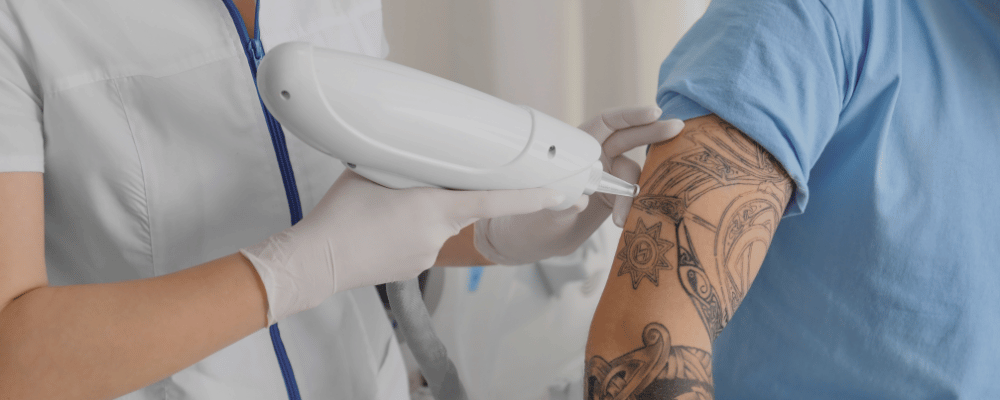
After each laser tattoo removal session, the skin begins a gradual healing and fading process. Many foreigners visiting Seoul are surprised that tattoo removal results are not immediate — the body needs time to clear broken ink particles naturally over several weeks.
Here’s what typically happens after each tattoo removal session.
✨ Immediately After Treatment
Right after the laser session, the treated area may appear:
• Red
• Slightly swollen
• Warm or sensitive
• Frosted or whitish temporarily
This is a normal skin reaction caused by the laser energy interacting with tattoo pigment.
Many clinics apply:
- Cooling treatment
- Ice packs
- Healing ointment
- Protective dressing
💡 First Few Days After Treatment
During the first several days, you may notice:
• Mild swelling
• Dryness
• Scabbing
• Small blisters
• Itching during healing
These reactions are usually temporary and part of the normal recovery process.
Important Tip
• Do not scratch or peel healing skin
Proper healing care helps reduce scarring and pigmentation risk.
⏳ How the Tattoo Fades
The tattoo does not disappear immediately after treatment.
Instead:
• The laser breaks pigment into tiny particles
• The immune system gradually clears the ink
• The tattoo slowly becomes lighter over time
Fading continues for several weeks after each session.
🎨 Why Some Areas Fade Faster
Different tattoo areas may fade unevenly depending on:
- Ink color
- Ink depth
- Blood circulation
- Skin type
- Tattoo age
Usually Faster Fading
- Black ink
- Older tattoos
- Small tattoos
Usually Slower Fading
- Colored tattoos
- Dense professional tattoos
- Cover-up tattoos
💡 Pico Laser vs Traditional Laser Recovery
1. Pico Laser Tattoo Removal
Pico laser is popular in Seoul because it may reduce:
• Heat damage
• Downtime
• Skin irritation
• Scarring risk
Best For
- Colored tattoos
- Sensitive skin
- Cosmetic tattoos
- Patients worried about recovery
2. Q-Switched Laser Removal
Q-switched lasers are also commonly used, especially for black tattoos.
Best For
- Black tattoos
- Older tattoos
- Small tattoos
Recovery varies depending on laser intensity and skin sensitivity.
🩹 What You Should Avoid After Each Session
Avoid
• Direct sunlight
• Scratching scabs or blisters
• Swimming and saunas temporarily
• Harsh skincare products
• Tight friction on the treated area
These habits may increase:
- Infection risk
- Hyperpigmentation
- Delayed healing
- Scarring
☀️ Why Sun Protection Matters
Sun exposure after laser treatment may increase:
- Hyperpigmentation
- Uneven skin tone
- Skin irritation
Important Tip
• Avoid direct sunlight
• Use sunscreen carefully after healing begins
⏳ When Is the Next Session?
Most clinics recommend waiting:
- 6–8 weeks between sessions
This healing period allows:
• Skin recovery
• Pigment clearance
• Reduced irritation risk
Trying to remove tattoos too aggressively may damage the skin.
🌎 Why Foreigners Choose Seoul for Tattoo Removal
Many Seoul clinics are experienced with:
• Advanced laser dermatology
• Cosmetic tattoo removal
• Sensitive skin treatment
• Pigmentation management
• Foreigner-friendly services
Many clinics provide:
• English consultation
• Online booking systems
• International payment support
• Detailed aftercare guidance
Popular areas include:
- Gangnam
- Apgujeong
- Hongdae
- Myeongdong
✅ Final Thoughts
After each tattoo removal session, the skin goes through a gradual healing and fading process that continues for several weeks.
Many foreigners choose Korea because of:
• Advanced pico laser technology
• Experienced specialists
• Safer treatment planning
• Modern aftercare systems
• Foreigner-friendly clinics
With patience, proper aftercare, and consistent treatment sessions, tattoos can gradually fade more safely over time.
📍 Location
Seoul, South Korea
💬 Booking & Price Inquiry
Consultation is recommended to estimate healing time, treatment intervals, and expected fading progress.
🌏 Language Support
Many Seoul aesthetic clinics provide English-friendly support for international patients.