Hyperpigmentation After Tattoo Removal (PIH Guide Korea)
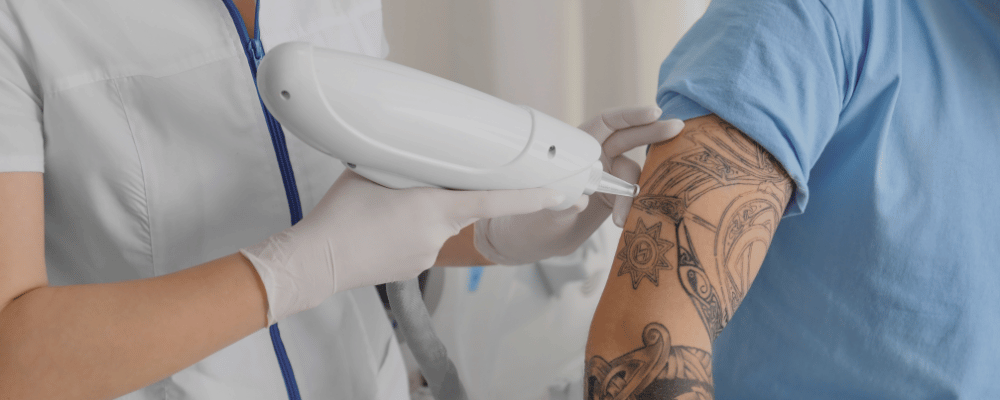
One possible side effect after laser tattoo removal is post-inflammatory hyperpigmentation (PIH) — temporary skin darkening that can appear after the skin becomes irritated or inflamed.
For foreigners considering tattoo removal in Korea, especially those with sensitive or darker skin tones, understanding PIH is important before starting treatment.
Here’s what to know about hyperpigmentation after tattoo removal and how Korean clinics help reduce the risk.
✨ What Is PIH After Tattoo Removal?
PIH stands for post-inflammatory hyperpigmentation.
It happens when the skin produces extra melanin after inflammation caused by laser treatment.
The treated area may appear:
• Darker than surrounding skin
• Brownish
• Grayish
• Uneven in tone temporarily
PIH is usually temporary, but healing time varies depending on skin type and aftercare.
🔍 Why Hyperpigmentation Happens
Laser tattoo removal creates controlled skin inflammation while breaking down pigment.
PIH risk may increase because of:
• Aggressive laser settings
• Excessive sun exposure
• Sensitive skin
• Darker skin tones
• Poor aftercare
• Scratching or picking scabs
The risk is usually higher when the skin is exposed to UV light during healing.
💡 Best Lasers for Lower PIH Risk
1. Pico Laser Tattoo Removal
Pico laser is commonly recommended in Korea because it may reduce heat damage compared to older laser systems.
Benefits
• Lower heat exposure
• Reduced skin trauma
• Faster pigment breakdown
• Lower PIH risk
Best For
- Sensitive skin
- Colored tattoos
- Cosmetic tattoos
- Patients concerned about pigmentation
2. Q-Switched Laser Removal
Q-switched lasers are still commonly used, especially for black tattoos.
Best For
- Black tattoos
- Older tattoos
- Small tattoos
Proper laser settings are important to reduce pigmentation complications.
⚠️ Who Has Higher PIH Risk?
PIH can happen to anyone, but risk may be higher for:
- Medium to dark skin tones
- Sensitive skin
- Patients with previous pigmentation history
- Aggressive laser treatment
- Frequent sun exposure
This is why many clinics carefully adjust laser intensity depending on skin type.
🩹 How to Prevent Hyperpigmentation
Important Prevention Tips
• Avoid direct sunlight
• Use sunscreen carefully
• Do not scratch scabs
• Follow aftercare instructions closely
• Avoid excessive heat and friction
Good aftercare is one of the most important ways to reduce PIH risk.
⏳ How Long Does PIH Last?
In many cases, PIH gradually fades over time.
Recovery may take:
- Several weeks
- A few months in some cases
Healing speed depends on:
- Skin type
- Sun exposure
- Laser intensity
- Aftercare quality
Most pigmentation improves gradually with proper care.
💰 Can PIH Treatment Increase Costs?
Sometimes additional skincare or pigmentation treatments may be recommended.
Possible extra treatments:
• Brightening creams
• Recovery laser treatments
• Skin calming treatments
• Dermatology follow-up care
Preventing PIH early is usually easier than treating it later.
🌎 Why Foreigners Choose Korea for Safer Tattoo Removal
Many Seoul clinics are experienced with:
• Advanced laser dermatology
• Pigmentation management
• Sensitive skin treatment
• Cosmetic tattoo removal
• Customized laser settings
Foreign-friendly services often include:
• English consultation
• Detailed aftercare guidance
• Online booking systems
• International payment support
Popular areas include:
- Gangnam
- Apgujeong
- Hongdae
- Myeongdong
✅ Final Thoughts
Hyperpigmentation after tattoo removal is a common but usually temporary side effect that can often be minimized with proper treatment and aftercare.
Many foreigners choose Korea because of:
• Advanced pico laser technology
• Experienced laser specialists
• Pigmentation-focused treatment planning
• Safer laser settings
• Foreigner-friendly clinic support
With careful healing management and sun protection, most PIH cases improve gradually over time.
📍 Location
Seoul, South Korea
💬 Booking & Price Inquiry
Consultation is recommended to evaluate skin type, pigmentation risk, and laser treatment options.
🌏 Language Support
Many Seoul aesthetic clinics provide English-friendly support for international patients.