Tattoo Removal Scarring: How to Prevent It
One of the biggest concerns foreigners have before starting laser tattoo removal is scarring. While modern tattoo removal technology is much safer than older methods, improper treatment or poor aftercare can still increase the risk of permanent marks.
The good news is that scarring after tattoo removal is often preventable with the right clinic, proper laser settings, and careful healing management.
✨ Why Scarring Can Happen
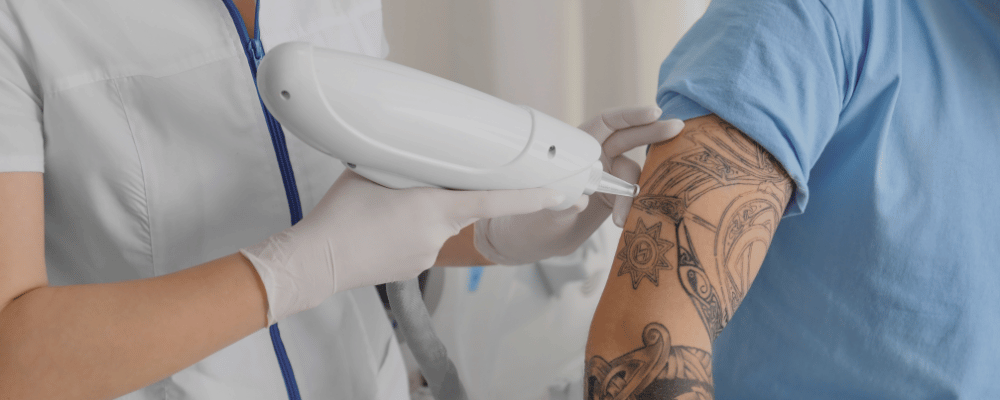
Laser tattoo removal works by breaking down ink particles beneath the skin. During this process, the skin experiences temporary stress and inflammation.
Scarring risk may increase because of:
• Aggressive laser treatment
• Poor aftercare
• Infection
• Scratching scabs or blisters
• Excessive sun exposure
• DIY tattoo removal attempts
Choosing experienced specialists is especially important for reducing skin damage.
💡 Best Lasers for Lower Scarring Risk
1. Pico Laser Tattoo Removal
Pico laser is one of the most popular options in Seoul because it creates less heat damage compared to older laser systems.
Benefits
• Lower scarring risk
• Reduced skin trauma
• Faster pigment breakdown
• Less downtime
Best For
- Colored tattoos
- Cosmetic tattoos
- Sensitive skin
- Detailed tattoos
2. Q-Switched Laser Removal
Q-switched lasers are still commonly used for black tattoos.
Best For
- Small tattoos
- Black ink tattoos
- Older tattoos
Proper laser settings are important to prevent unnecessary skin damage.
⚠️ Most Common Causes of Scarring
1. Picking Scabs or Blisters
This is one of the biggest causes of permanent scars.
Important Tip
• Never scratch, peel, or pop blisters
The skin should heal naturally to reduce texture damage.
2. Too Much Sun Exposure
Sun exposure after laser treatment may increase:
- Hyperpigmentation
- Delayed healing
- Scarring risk
Important Tip
• Avoid direct sunlight
• Use sunscreen carefully after healing begins
3. Aggressive Treatment Settings
Trying to remove tattoos too quickly can damage the skin.
Safer clinics usually recommend:
- Gradual fading
- Multiple sessions
- Conservative laser settings
Slow and steady treatment is often safer for long-term skin quality.
⏳ Why Proper Healing Time Matters
Most tattoos require:
- 5–15 sessions
- 6–8 weeks between treatments
The healing period between sessions helps:
• Reduce skin stress
• Lower scarring risk
• Improve pigment clearance
Rushing treatment too quickly may increase complications.
🩹 Best Aftercare Tips to Prevent Scarring
Recommended Aftercare
• Keep the area clean and dry
• Avoid scratching
• Avoid swimming and saunas temporarily
• Wear loose clothing around the area
• Follow clinic instructions carefully
Avoid
• Picking scabs
• Harsh skincare products
• Heavy friction
• Direct sunlight
Good aftercare is one of the most important parts of safe tattoo removal.
🌎 Why Many Foreigners Choose Seoul
Many Seoul clinics are experienced in:
• Advanced laser dermatology
• Sensitive skin treatment
• Cosmetic tattoo removal
• Scarring prevention care
Foreign-friendly services often include:
• English consultation
• Online booking systems
• International payment support
• Detailed aftercare guidance
Popular areas include:
- Gangnam
- Apgujeong
- Hongdae
- Myeongdong
✅ Final Thoughts
Tattoo removal scarring is often preventable with proper treatment and careful aftercare.
Many foreigners choose Korea because of:
• Advanced pico laser technology
• Experienced specialists
• Safer treatment methods
• Foreigner-friendly clinics
• Modern skin recovery care
Choosing a qualified clinic and following aftercare instructions carefully can help achieve smoother fading results with lower scarring risk.
📍 Location
Seoul, South Korea
💬 Booking & Price Inquiry
Consultation is recommended to evaluate skin type, tattoo condition, and scarring risk before treatment.
🌏 Language Support
Many Seoul aesthetic clinics provide English-friendly support for international patients.